Legacy Industrial Coatings

Commercial Concrete Sealing in Dallas–Fort Worth

Stain-proof, easy-to-clean sealed concrete floors for restaurants, breweries, commercial kitchens, and warehouses across DFW. Installed overnight, recommended to reseal every 2–5 years.

214-305-6516

Nationwide capability on jobs over 10,000 sq ft

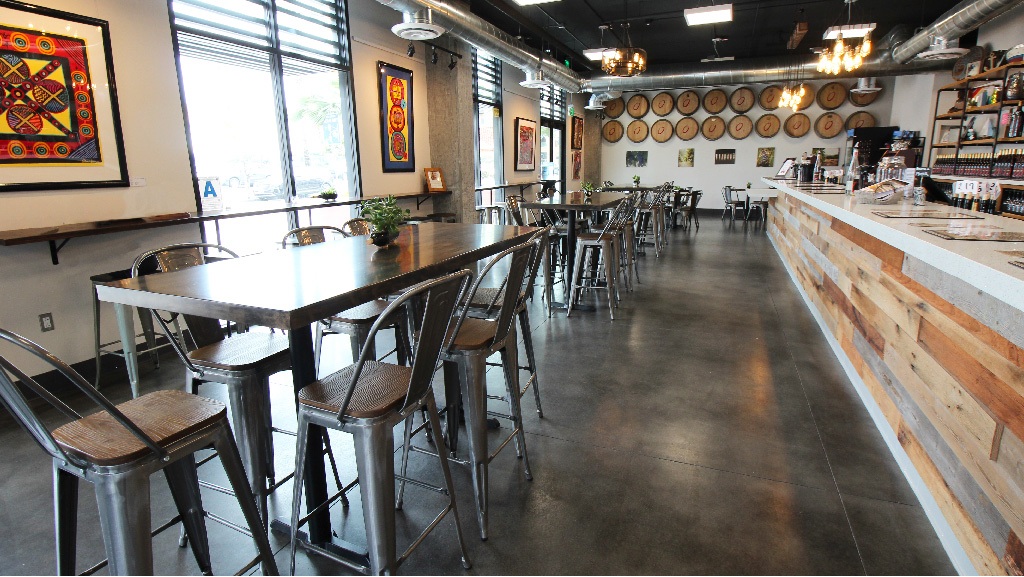
Sealed concrete floor in a brewery tasting room with bar seating and wine barrels

Sealing vs. Coating vs. Polished Concrete

Three different ways to protect commercial concrete. Here's how they compare so you can pick the right one for your facility.

Concrete Sealing

A thin, often invisible barrier that penetrates or lays just on top of the slab to block stains and moisture.

  • Build: Thin / penetrating
  • Downtime: Overnight
  • Cost: Lowest of the three
  • Lifespan: Reseal every 2–5 years
  • Best for: Restaurants, breweries, kitchens, warehouses

Concrete Coating

A thick epoxy, polyaspartic, or urethane cement film that builds an entirely new wear surface on the slab.

  • Build: 20–250+ mils film
  • Downtime: 1–4 days
  • Cost: Highest
  • Lifespan: 10–20+ years
  • Best for: Heavy chemical, thermal, or impact environments

Polished Concrete

The existing slab refined with diamond tooling and lithium-silicate densifier. No film at all.

  • Build: None — slab itself
  • Downtime: Phased / off-hours
  • Cost: Mid-to-high
  • Lifespan: 3–10 years (varies with traffic; rebuff/redensify to refresh)
  • Best for: Warehouses, retail, showrooms
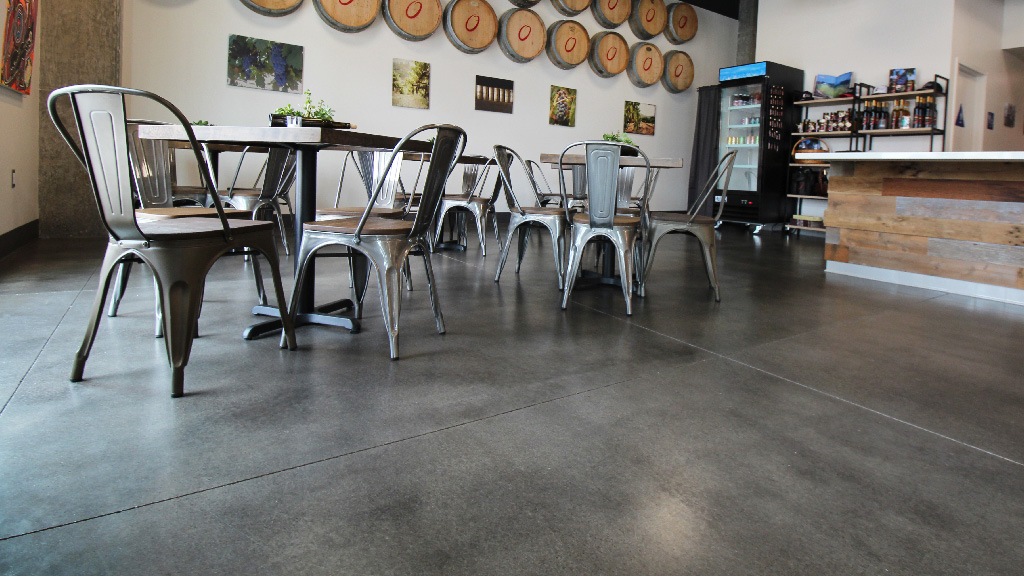
Close-up of sealed concrete floor in a commercial tasting room with metal chairs

Signs Your Restaurant or Kitchen Needs Concrete Sealing

Raw concrete is porous. In a restaurant or commercial kitchen, that means grease, food acids, wine, beer, sanitizers, and dropped sauces soak straight into the slab — creating permanent stains, odor traps, and surfaces that fail health inspections.

Consider sealing if any of these apply:

  • You're in a new build-out and want protection in place before opening day.
  • Your floor is dusting, looks blotchy, or no longer beads water when splashed.
  • Stains are setting in faster than your nightly mop crew can keep up with.
  • A health inspector flagged porous, stained, or hard-to-sanitize flooring.
  • Your last sealer was applied two or more years ago and needs to be refreshed.

Benefits of Sealed Concrete

Why operators across DFW choose sealing as their first line of defense.

Stain Resistance

Blocks oil, grease, wine, beer, food acids, and sanitizers from absorbing into the slab.

Easy Cleaning

Sealed concrete wipes and mops clean in a fraction of the time of raw concrete.

Enhanced Appearance

Brings out the natural color and depth of the slab with matte, satin, or wet-look finishes.

Durability

Reduces dusting, abrasion, and freeze-thaw damage — extending the useful life of the slab.

Industries We Serve

Sealed concrete works wherever a porous slab meets daily abuse — from a 1,200 sq ft tasting room to a 50,000 sq ft distribution warehouse.

Restaurants

Stain-proof dining rooms and back-of-house floors that wipe clean and pass health inspections.

Breweries & Tasting Rooms

Sealed slabs that resist hops, yeast, beer spills, and constant rinsing.

Commercial Kitchens

Grease, oil, and acid-resistant sealers built for daily wash-down environments.

Warehouses & Distribution

Dust-proof, easy-to-sweep floors that hold up to forklift and pallet jack traffic.

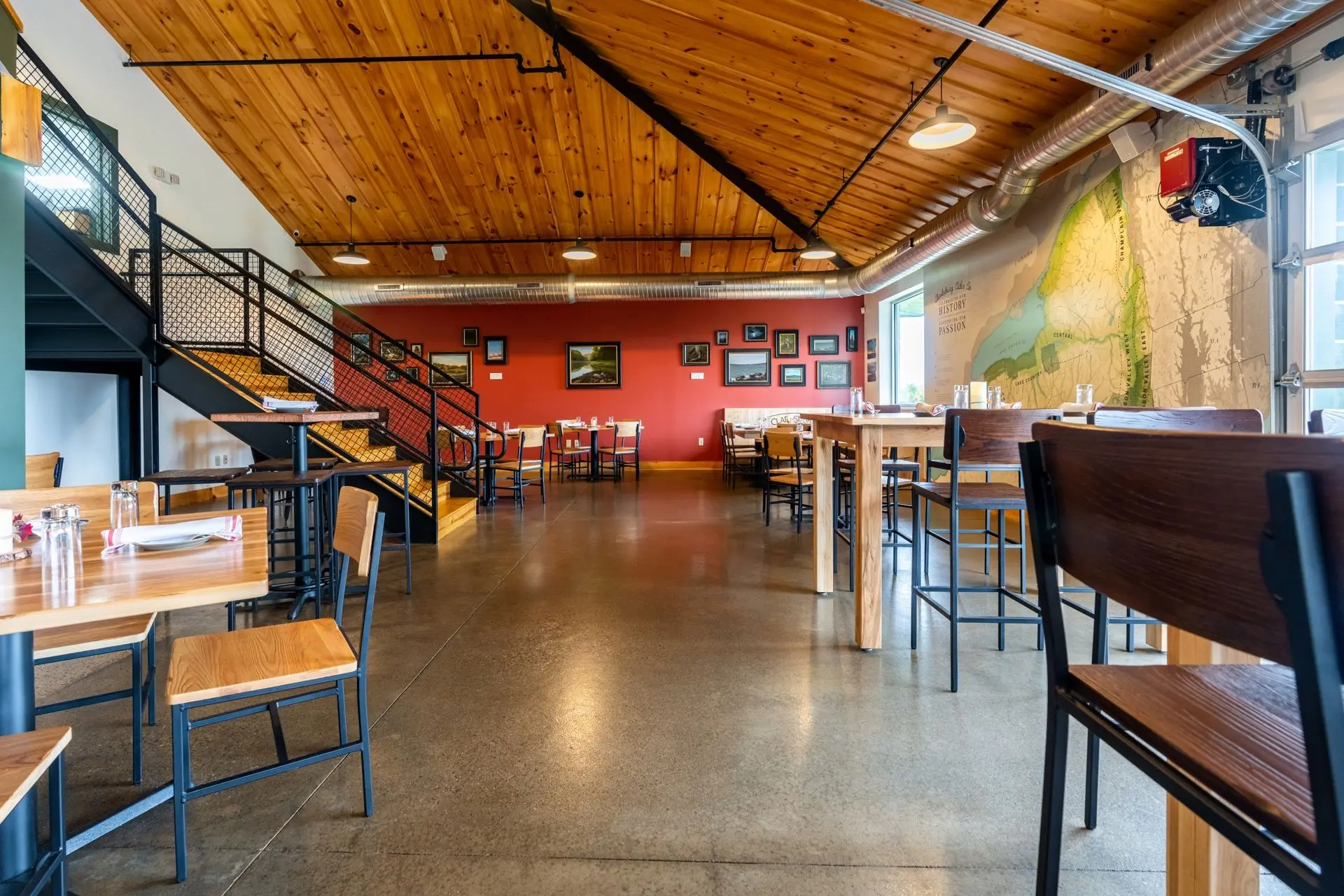
Sealed concrete floor in a cidery tasting room with wood ceiling and dining tables

How Often Should You Reseal? Every 2–5 Years.

Sealers are sacrificial — they wear off mechanically (foot and wheel traffic) and chemically (degreasers, food acids, sanitizers). The right reseal interval depends on how hard your floor works.

Every 4–5 Years

Light traffic: Offices, showrooms, retail back-of-house, low-volume tasting rooms.

Foot traffic only, minimal chemical exposure, no daily wash-downs.

Every 3 Years

Medium traffic: Most restaurants, breweries, bars, tasting rooms with food service.

Daily mopping, regular spills, mixed foot and cart traffic.

Every 2 Years

Heavy traffic: Commercial kitchens, food processing, warehouses with forklifts and pallet jacks.

Daily wash-downs, hot grease, harsh sanitizers, wheeled loads.

Why You Have to Reapply

Every mop pass, scrub, spill, and footstep removes a microscopic layer of sealer. Once it thins out, water stops beading, stains start to set, and the floor begins to look dull, blotchy, or hazy. Resealing on a planned cycle is dramatically cheaper than letting grease, dyes, and food acids absorb into the bare slab — once that happens, the only fix is mechanical grinding.

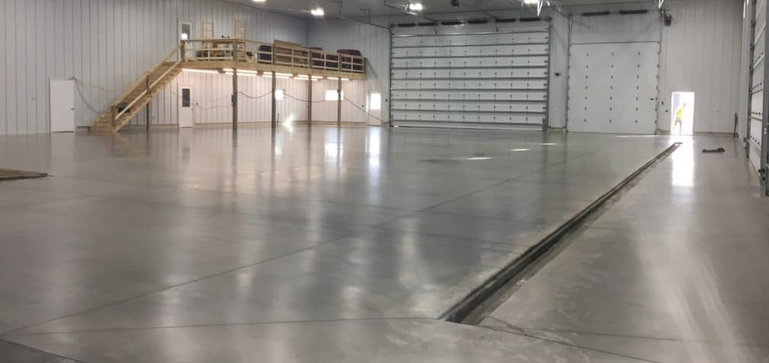
Large sealed concrete warehouse floor with overhead doors and mezzanine

Large-format projects

Nationwide capability for jobs over 10,000 sq ft

For warehouses, distribution centers, food-processing plants, and multi-site rollouts above 10,000 square feet, we mobilize crews and equipment outside the DFW metroplex. One point of contact, consistent specs, and a single accountable team across every location.

  • Single-source pricing for multi-location portfolios
  • Phased night and weekend work to keep operations running
  • Standardized sealer specs and reseal schedules across every site

Maintenance & Quarterly Deep Cleaning

The fastest way to wreck a sealed floor is to rely on the nightly mop bucket. Here's what actually keeps it looking new.

Daily / Nightly Routine

  • Sweep or dust mop to remove grit (the #1 cause of sealer wear).
  • Damp mop with a pH-neutral cleaner — never harsh acids or strong degreasers.
  • Change mop water frequently. Dirty water just smears grease and grit across the floor.

Quarterly Professional Deep Clean

In a restaurant, brewery, or commercial kitchen, sealed concrete needs a professional deep clean every 3 months. Mops only push greasy water around — they leave a film in joints, around equipment legs, and along baseboards that nightly cleaning never extracts.

  • Hot-water extraction lifts embedded grease and biofilm.
  • Restores slip resistance and the sealer's natural sheen.
  • Doubles the life of the sealer between reseals.

Ready to Seal Your Floor?

Free on-site assessment across DFW. Most jobs completed overnight — no shutdown required.

214-305-6516

Case Study

A real DFW concrete sealing project we recently delivered.

Commercial Concrete Sealing in Dallas-Fort Worth

Legacy Industrial Coatings provides commercial concrete sealing across the Dallas-Fort Worth metroplex for restaurants, breweries, tasting rooms, commercial kitchens, food-processing facilities, and warehouses. A properly specified sealer is the fastest, lowest-cost way to protect a concrete slab from the staining and dusting that comes with daily commercial use.

Unlike a thick epoxy or polyaspartic coating, a sealer is a thin, often invisible barrier — penetrating sealers chemically react inside the slab to block moisture and oils, while topical sealers form a low-build film that beads water and resists food acids. Both options preserve the natural look of concrete and most installations are completed overnight, so your facility is back in operation by morning.

Food-Safe & Slip-Rated

For food and beverage environments, we specify sealers that are compatible with USDA, FDA, and local health-department requirements, and we add anti-slip aggregates wherever required by code. Wet kitchens, beer-line drips in tasting rooms, and walk-in cooler thresholds all need slip-rated chemistry — not a generic concrete sealer from a hardware store.

2–5 Year Reseal Programs

Sealers are sacrificial. We build a planned reseal schedule into every commercial bid so you're never surprised by a stained, dusting floor. Most restaurants and breweries fall into a 3-year reseal cycle; high-output kitchens and warehouses fall into a 2-year cycle; light-use offices and showrooms can stretch to 4–5 years.

Quarterly Deep Cleaning Extends Sealer Life

The single biggest factor in how long a sealer lasts is what happens between reseal jobs. Nightly mopping handles surface dirt, but it leaves grease, biofilm, and embedded grit in joints and around equipment. Quarterly professional deep cleaning with hot-water extraction pulls that residue out, restores slip resistance, and routinely doubles the useful life of the sealer.

Where We Seal Concrete

Our crews seal concrete floors throughout Dallas, Fort Worth, Plano, Frisco, McKinney, Allen, Richardson, Carrollton, Lewisville, Prosper, Celina, The Colony, Flower Mound, and more — including new restaurant build-outs, brewery and tasting room expansions, commercial kitchen remodels, food-processing plants, and distribution warehouses. For projects over 10,000 sq ft, we also mobilize crews nationwide.

Concrete Sealing FAQ

Common questions about commercial concrete sealing in DFW.

What is concrete sealing?

Concrete sealing is the application of a penetrating or topical sealer to a concrete slab to block moisture, oils, food acids, and stains from absorbing into the porous surface. Unlike a coating, a sealer is thin and breathable — it preserves the natural look of concrete while making it dramatically easier to clean and far more resistant to staining.

What's the difference between concrete sealing, concrete coating, and polished concrete?

A concrete sealer is a low-build, often invisible barrier that soaks into or sits just on top of the slab. A concrete coating (epoxy, polyaspartic, urethane cement) is a thick film system that builds a new wear surface on the floor. Polished concrete is a mechanically refined and densified slab with no film at all. Sealing is the lightest, fastest, most cost-effective option for facilities that want stain protection without changing the look or shutting down for days.

How often does commercial concrete need to be resealed?

Most commercial floors need resealing every 2–5 years. Light-traffic offices and showrooms can stretch to 4–5 years; restaurants, breweries, commercial kitchens, and warehouses with daily wash-downs and forklift traffic typically need it every 2–3 years. Sealers wear off mechanically (foot and wheel traffic) and chemically (degreasers, food acids, sanitizers), and once they're gone the slab starts absorbing stains again.

Why do I need to reseal concrete instead of doing it once?

Sealers are sacrificial. Every mop, scrub, spill, and footstep removes a tiny amount of the protective layer. When the sealer thins out, water no longer beads, stains start to set, and the floor begins to look dull or blotchy. Resealing on a planned 2–5 year cycle is far cheaper than letting the slab absorb grease and dyes that require grinding to remove.

How often should sealed concrete be deep cleaned in a restaurant or kitchen?

Sealed concrete in restaurants, bars, and commercial kitchens should be professionally deep cleaned every quarter (every 3 months). Nightly mopping pushes greasy water into floor joints and around equipment — quarterly deep cleaning extracts what mops leave behind, restores slip resistance, and dramatically extends the life of the sealer.

Will concrete sealing make my floor slippery?

No — we use commercial-grade sealers with anti-slip additives where required, so wet sealed concrete in kitchens, breweries, and bar areas meets or exceeds slip-resistance standards. We match the sealer chemistry and texture to your environment.

How long does concrete sealing take?

Most commercial sealing projects are completed overnight or in a single day. Penetrating sealers are typically walkable within hours, and your facility can be back in full operation the next morning — unlike a full coating system that requires multiple days of downtime.

Which DFW areas do you serve for concrete sealing?

We seal concrete floors across Dallas, Fort Worth, Plano, Frisco, McKinney, Allen, Richardson, Carrollton, Lewisville, Prosper, Celina, The Colony, Flower Mound, and more — including restaurants, breweries, tasting rooms, commercial kitchens, warehouses, and food-processing facilities. For projects over 10,000 sq ft, we also mobilize crews nationwide.
Get Your Concrete Sealed

Free on-site assessment, food-safe sealer specifications, and a planned reseal schedule for your facility.

214-305-6516