
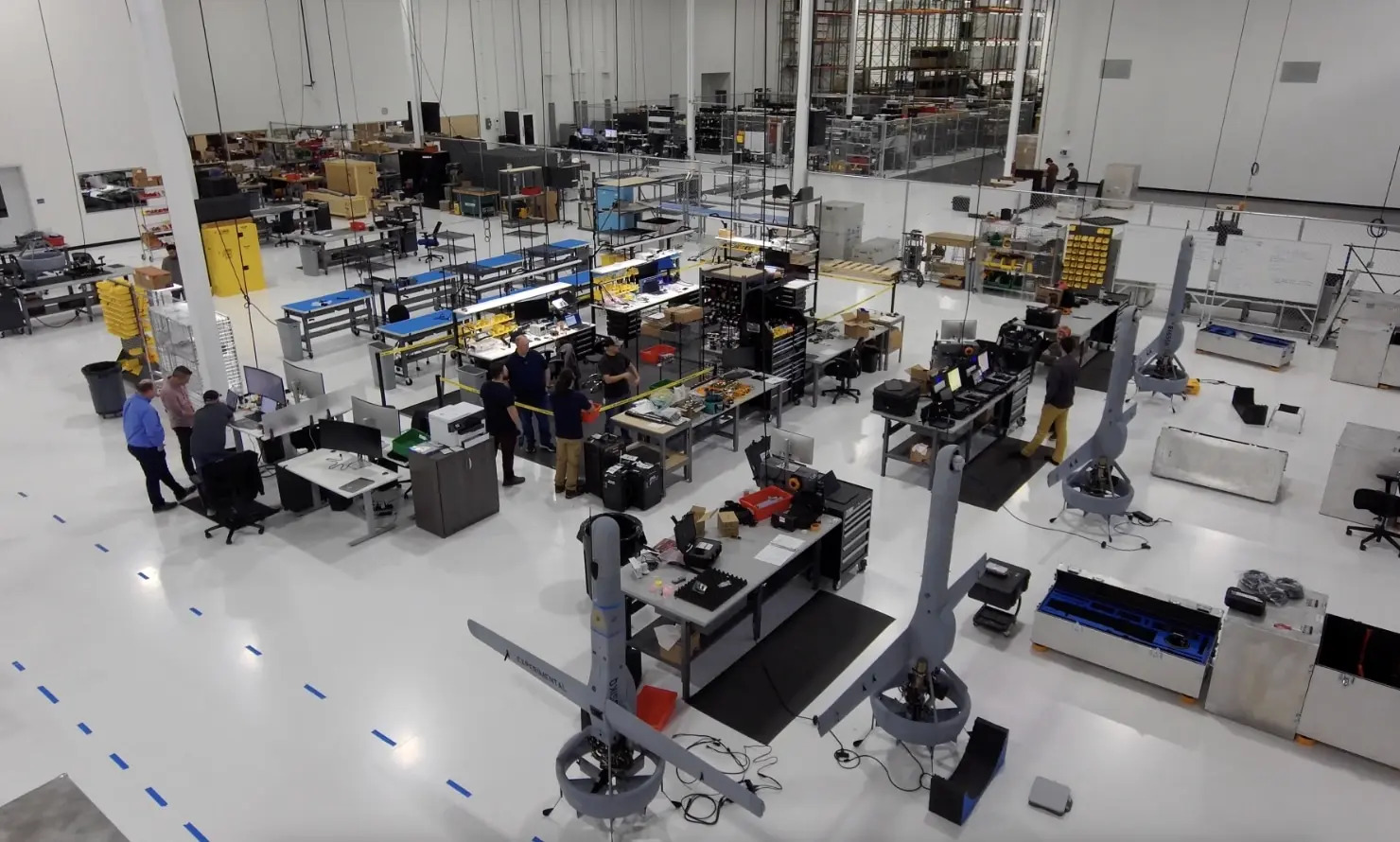
ESD flooring requirements are set by your facility's static-control program, which in most electronics and high-tech operations is built on ANSI/ESD S20.20. When the floor is used to ground people, S20.20 programs commonly require a floor-and-footwear system resistance below 1.0 × 10⁹ ohms, or a walking body voltage below 100 volts, and the floor is tested at handover and periodically after that to prove it still performs.
The floor is only one part of that program. Footwear, grounding, humidity and cleaning all affect whether it actually does its job. Here is what the requirements mean and how testing works.
Conductive vs. Static-Dissipative Floors
Both types of ESD floor carry static charge to ground. The difference is how fast. In general terms, conductive floors have lower resistance, typically below about 1.0 × 10⁶ ohms, and drain charge quickly. Static-dissipative floors fall roughly between 1.0 × 10⁶ and 1.0 × 10⁹ ohms and drain charge at a slower, more controlled rate.
Neither is automatically better. Your ESD program sets the target based on the parts, equipment and processes in each room. Some facilities use conductive floors in the most sensitive assembly areas and static-dissipative floors elsewhere. Our ESD and static-control flooring page covers how we install both.
The Standards Behind the Requirements
A few ESD Association standards come up again and again on these projects:
- ANSI/ESD S20.20 is the program standard. It sets the overall requirements for an ESD control program, including how people are grounded through the floor and footwear.
- ANSI/ESD STM7.1 is the test method for the resistance of floor materials themselves, measured across the floor and from the floor to ground.
- ANSI/ESD STM97.1 measures the resistance of the whole system: a person wearing their ESD footwear, standing on the floor, to ground.
- ANSI/ESD STM97.2 measures the voltage a person generates while walking across the floor in their footwear.
Your spec may call for one or more of these, and the acceptable ranges come from your program and your engineer, not from the flooring. We install and test to the numbers in your spec.
Testing at Handover and After
An ESD floor should be tested before it is turned over. We test resistance on site against the project spec, check the grounding connections and document the results so your quality team has a baseline.
Testing does not stop at turnover. Floors get dirty, cleaning products change, equipment gets moved and grounding points get disturbed. Most ESD programs call for periodic verification, and the schedule is set by your program. Testing regularly catches problems before a part or piece of equipment does.
What Affects Performance
Footwear and heel straps
When people are grounded through the floor, the floor only works if the charge can get from the person into it. ESD footwear or heel straps complete that path. Ordinary shoes with insulating soles can make a properly installed floor fail a system test. That is why STM97.1 tests the person, the footwear and the floor together.
Humidity
Static builds up more easily in dry air. Cold, dry days and heavily conditioned buildings generate more charge, and some floor materials test differently as humidity changes. Note the humidity when you test, and expect readings to shift between seasons, even here in Texas.
Cleaning products
This is one of the most common reasons ESD floors stop working. Many floor waxes, finishes and some cleaners leave an insulating film on the surface that blocks the path to ground. Use only cleaners and maintenance products that are approved for ESD floors, and never wax or finish the floor unless the floor system's guidance says it is compatible. We hand over care instructions at closeout.
Grounding
The floor has to be tied to building ground. We coordinate ground connection points with your electrical team before we install, so the floor has a real path to drain charge.
What We Recommend
- Get the target ranges and test methods from your ESD program or engineer before the floor is selected.
- Choose conductive or static-dissipative by room, based on what is in that room.
- Plan grounding points with the electrical scope.
- Test at handover and keep the results as your baseline.
- Set a periodic testing schedule and an approved cleaning routine, and make sure footwear is part of the program.
ESD floors are common in electronics manufacturing and in electrical and UPS rooms in data centers, as well as aerospace and some pharmaceutical spaces.
Frequently Asked Questions
Does an ESD floor make our facility compliant with S20.20?
No. The floor is one element of an ESD control program that also includes personnel grounding, footwear, procedures, training and regular checks. We build and test the floor so it does its part.
Why did our ESD floor pass at install and fail later?
The most common causes are an insulating film from the wrong cleaner or wax, worn or non-ESD footwear, dirt buildup, low humidity or a disturbed ground connection. Retesting and a review of cleaning products usually finds the cause.
Do all data halls need ESD flooring?
Not always. Many data halls use densified and sealed concrete. ESD floors are usually specified in electrical and UPS rooms and in halls where the operator's standards call for them.
Can you test our existing ESD floor?
Yes. We can test an existing floor against your spec and tell you whether it needs cleaning, repair or replacement.
If you have an ESD spec, a static-control program or a set of drawings, send us your plans or request an estimate. We will match the floor to your requirements and test it before we hand it over.